Packaging Sourcing in China: Factory Audit & Quality Guide
Packaging sourcing in China works best when the buyer controls the specification, approval gates and inspection standard—not only the quoted unit price. A strong sourcing process verifies who will manufacture the packaging, compares every supplier against the same brief, and creates an approved reference before commercial production begins.
China offers deep paper-packaging capability, broad material and finishing choices, and production capacity for multi-SKU programs. The commercial result still depends on the supplier's actual production control, the completeness of the brief, and how changes are documented from sample to repeat order.
A practical China packaging sourcing checklist
- Verify the registered company, production address and factory scope.
- Confirm which printing, die-cutting, finishing, gluing and inspection steps are controlled in-house.
- Issue one written specification to every bidder.
- Approve structure, print and finishing against physical references.
- Define measurable quality tolerances and inspection timing.
- Confirm packing, palletization, Incoterm, destination and required delivery date.
- Keep dielines, color references and approved samples under version control for repeat orders.
Manufacturer or trading company?
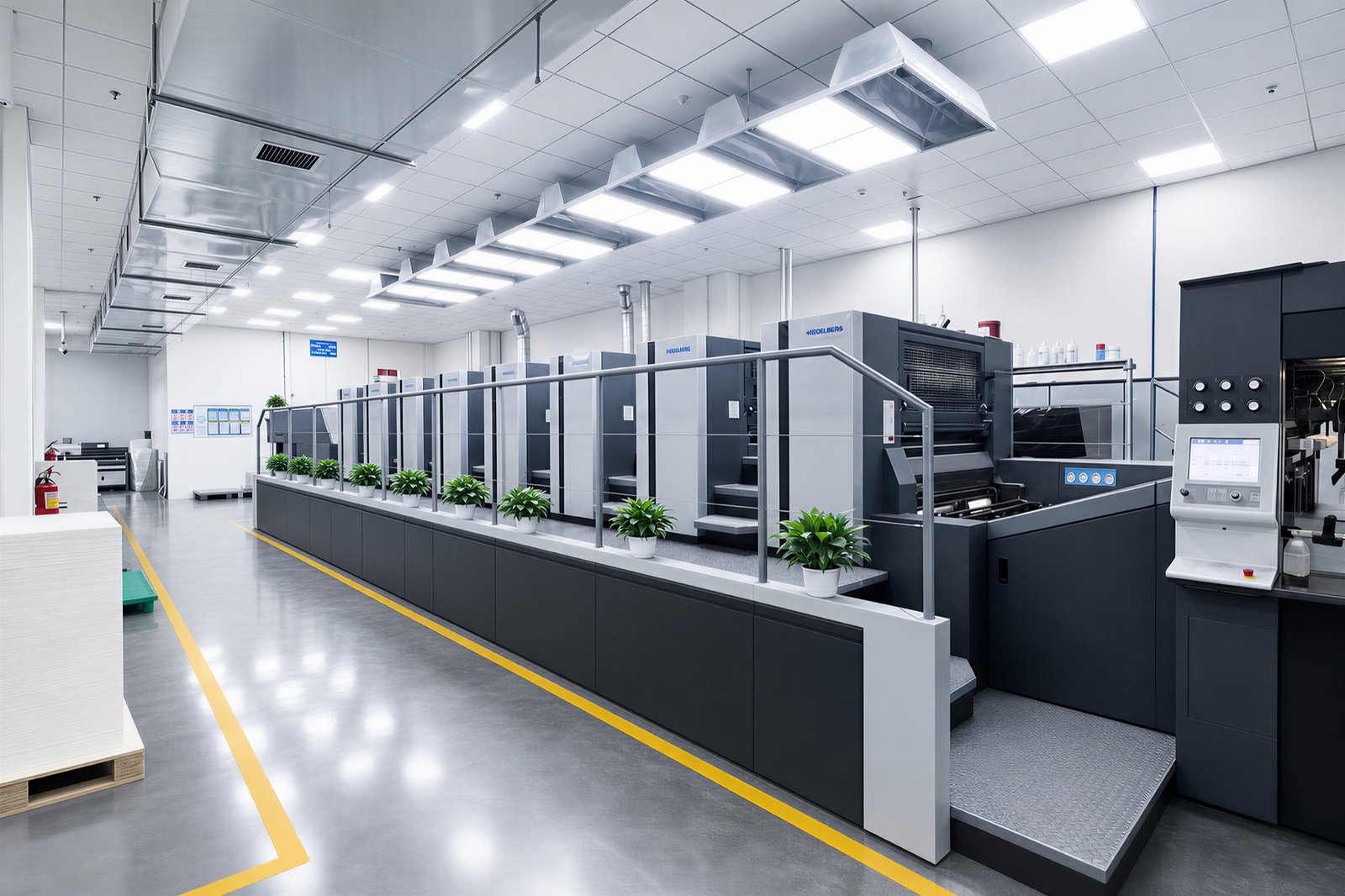
Ask who owns the presses, die-cutters, laminators, gluing equipment, and inspection systems. A direct factory should be able to show its production address, core machines, active work areas, quality process, and business qualifications. YIHE's Guangzhou factory profile documents a 20,000+ m² production base, more than 60 modern machines, and six complete automated lines.
Assess capacity for your real program—not a showroom sample
A good sample proves that one box can be made. It does not prove that color, board, finishing position and assembly can remain consistent across many SKUs and replenishment cycles. Ask how the factory reserves capacity, controls approved materials, records Pantone and finish standards, identifies artwork versions, and handles nonconforming output. Procurement teams should also evaluate second-source readiness before an urgent launch makes the decision for them.
Compare quotations on the same specification
A low unit price may exclude tooling, inserts, inside printing, protective packing, pallets, or freight. Request a written line-by-line quotation with material, caliper, print colors, finish, insert, quantity, tooling, sampling, production time, packing method, Incoterm, and destination.
Use a three-stage approval process
- Structural sample: confirm fit, opening, board strength, and packing efficiency.
- Printed sample: approve color, finish position, foil, embossing, and barcode readability.
- Production control sample: retain a signed reference for bulk inspection.
Plan quality checks before production
Define tolerances for dimensions, color, glue, scratches, foil registration, insert fit, and carton packing. For regulated products, confirm which material declarations or test reports are required in the destination market. ISO 9001 describes a quality-management system; it does not replace product-specific compliance testing.
Questions for US beauty, fragrance and consumer-product buyers
For programs shipping to the United States, confirm the destination warehouse, master-carton limits, pallet requirements, barcode quality, retail compliance needs and who is responsible for freight, customs and delivery appointments. For cosmetics and fragrance, include every regional artwork version and SKU in the RFQ so tooling, color control and launch sequencing can be planned together.
Choose the Incoterm deliberately
EXW, FOB, CIF, and DDP allocate cost and risk differently. Confirm the named place or port in writing and compare the landed cost—not only the factory price. The ICC's Incoterms rules are the authoritative reference.
Start with our 12-point packaging RFQ checklist, review YIHE's manufacturing capabilities, explore enterprise packaging production, or send your specifications for review.
Packaging sourcing questions
How do you source custom packaging from China safely?
Verify the supplier's legal identity and production address, confirm which equipment and processes are in-house, compare quotations against one written specification, approve structural and printed samples, and agree measurable inspection criteria before production.
How can a buyer verify a packaging factory in China?
Request the registered company name and address, current certifications, a live or recorded production walkthrough, an equipment list, recent production examples, and a clear explanation of which steps are completed in-house or by approved partners.
What should be included in a custom-box quotation?
The quotation should identify dimensions, structure, board and caliper, print colors, finishes, insert, quantity, tooling, sampling, production timing, packing method, Incoterm and destination so competing offers can be compared fairly.
What information should a packaging RFQ include?
Send the product dimensions and weight, target box style, artwork or reference, materials and finishes, order forecast, number of SKUs, destination market, required delivery window and any testing or compliance requirements.
Continue reading
All articles →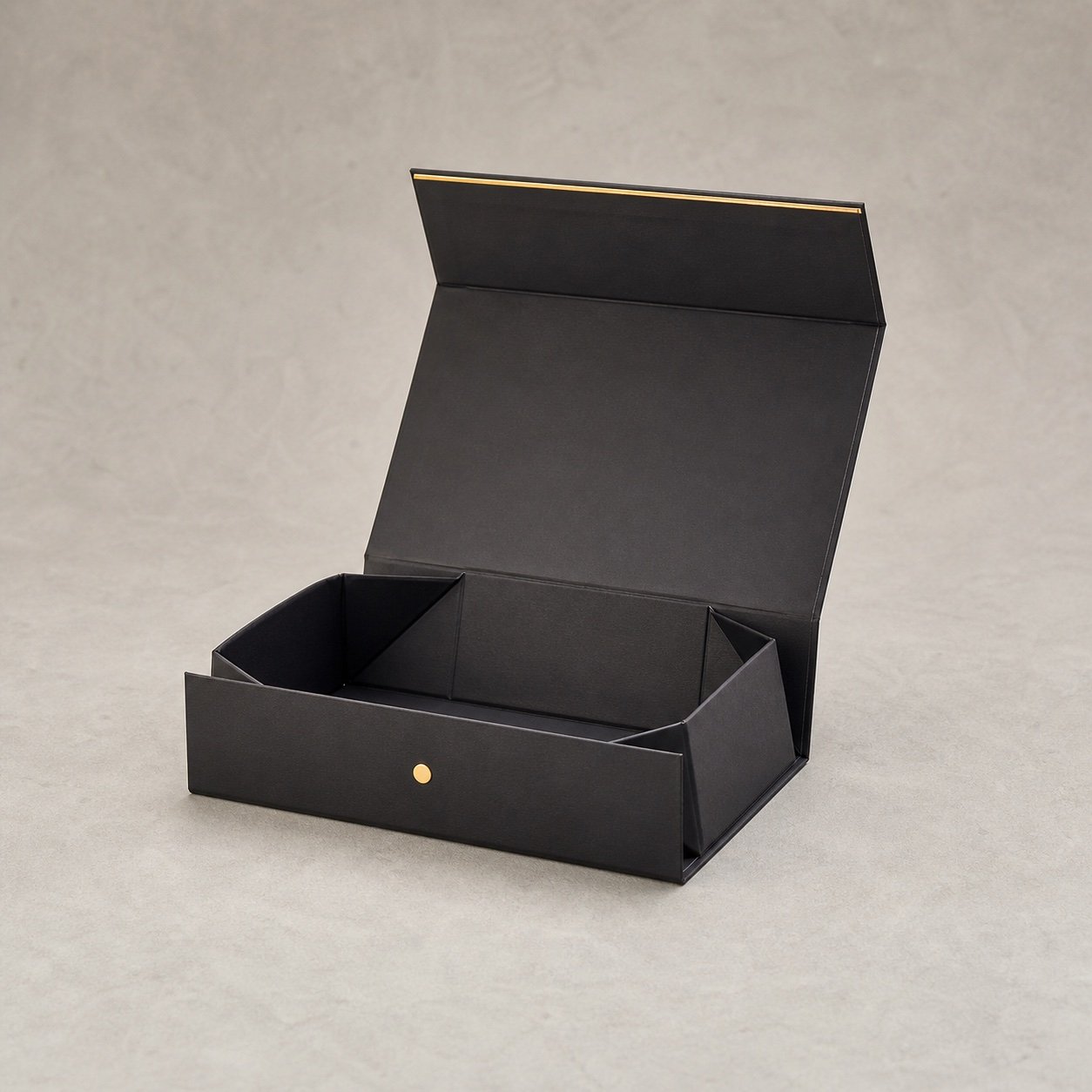
Custom Folding Carton Boxes: Styles, Materials & Buying Guide
A practical guide to folding carton styles, paperboard, printing, finishes, inserts, MOQ, sampling, and the specifications buyers should send to a box manufacturer.
How Much Do Custom Packaging Boxes Cost? MOQ & Price Guide
Understand the seven variables that shape custom box pricing, why MOQ changes by structure, and how to compare packaging quotes on a true landed-cost basis.
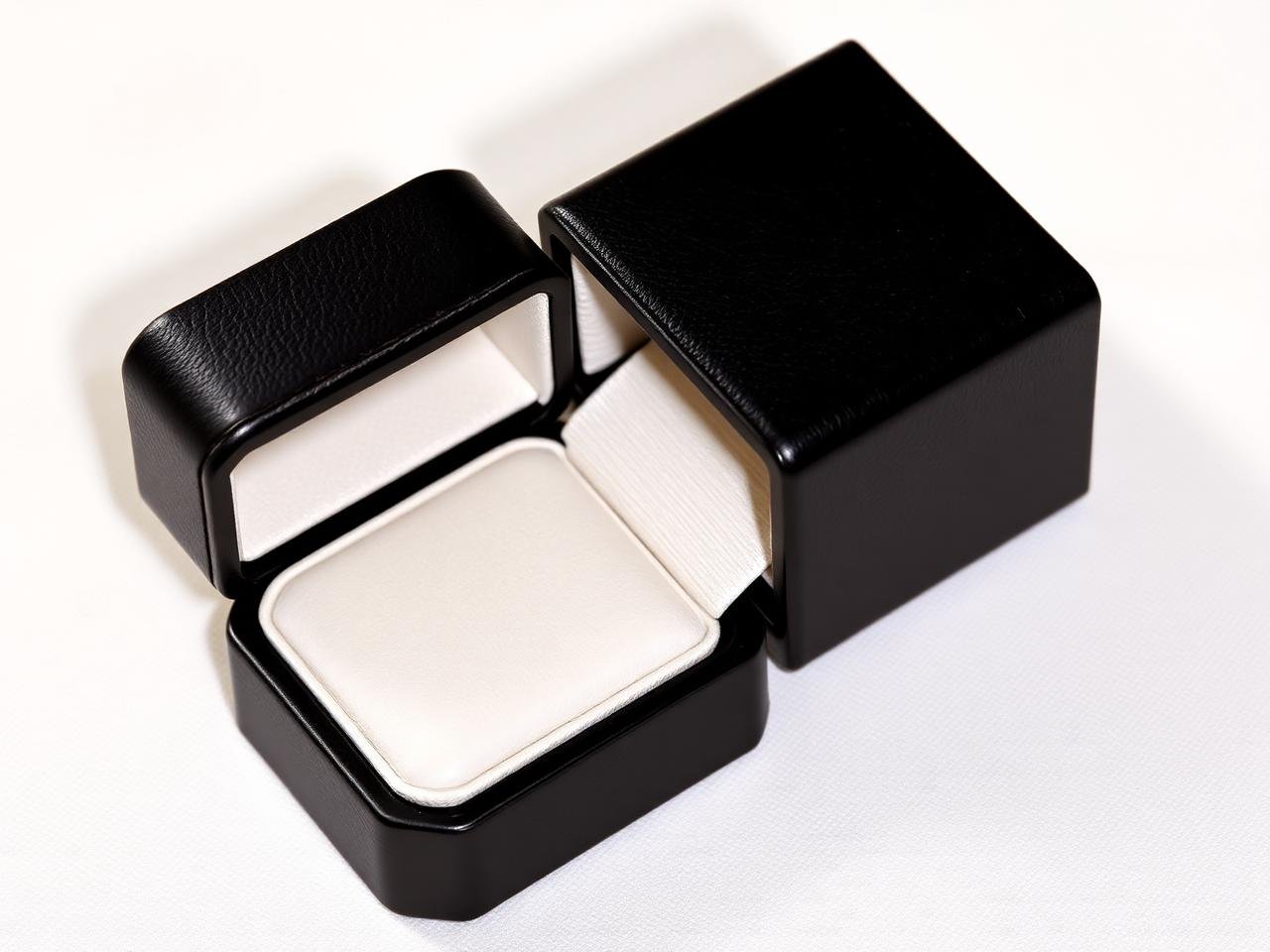
Custom Jewelry Boxes: Wholesale Materials, Inserts & Finishes
How jewelry brands specify ring, earring, necklace, and multi-piece boxes—from structure and inserts to quiet-luxury finishes and shipping protection.